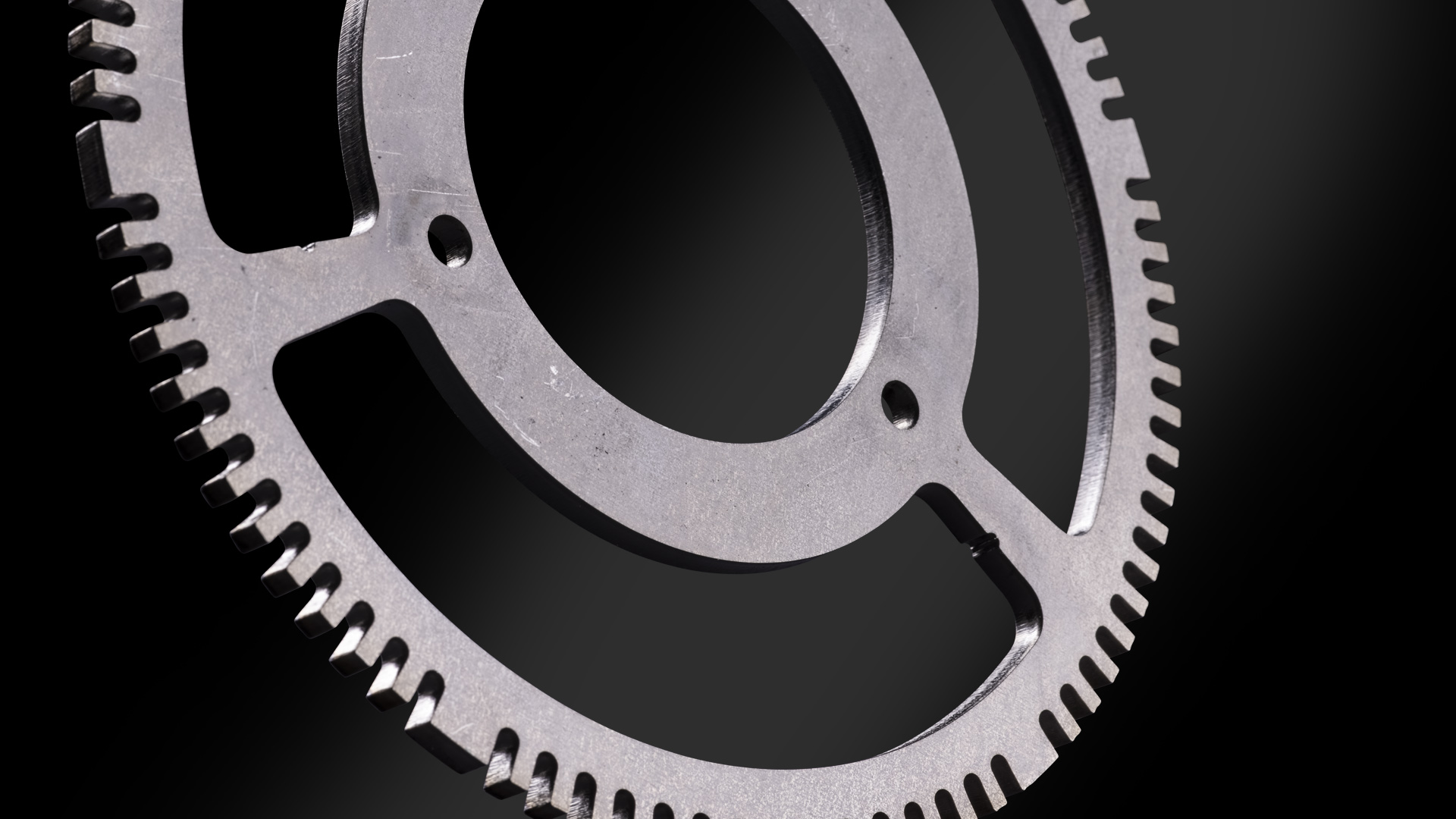

Laser cutting in sheet metal

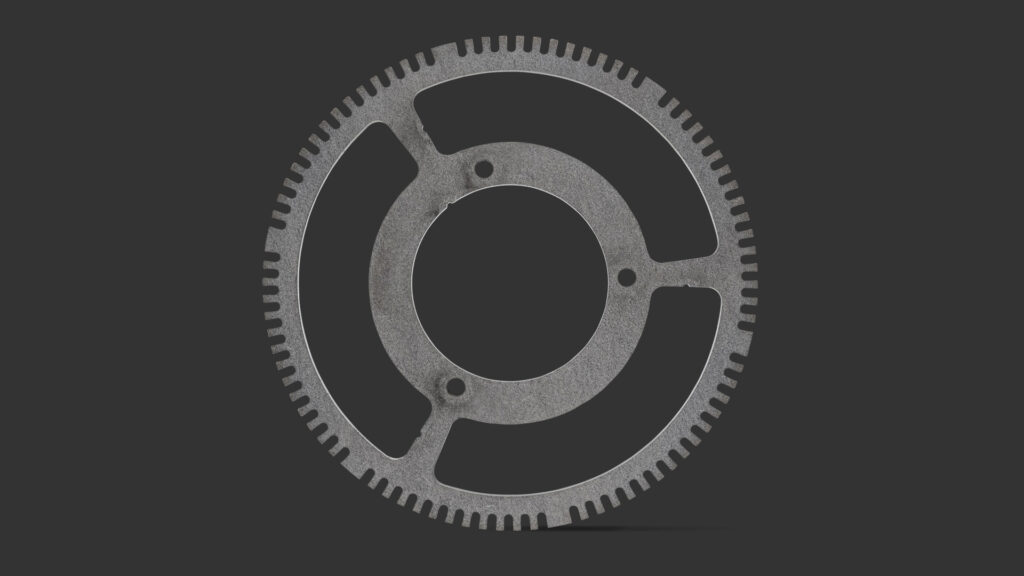
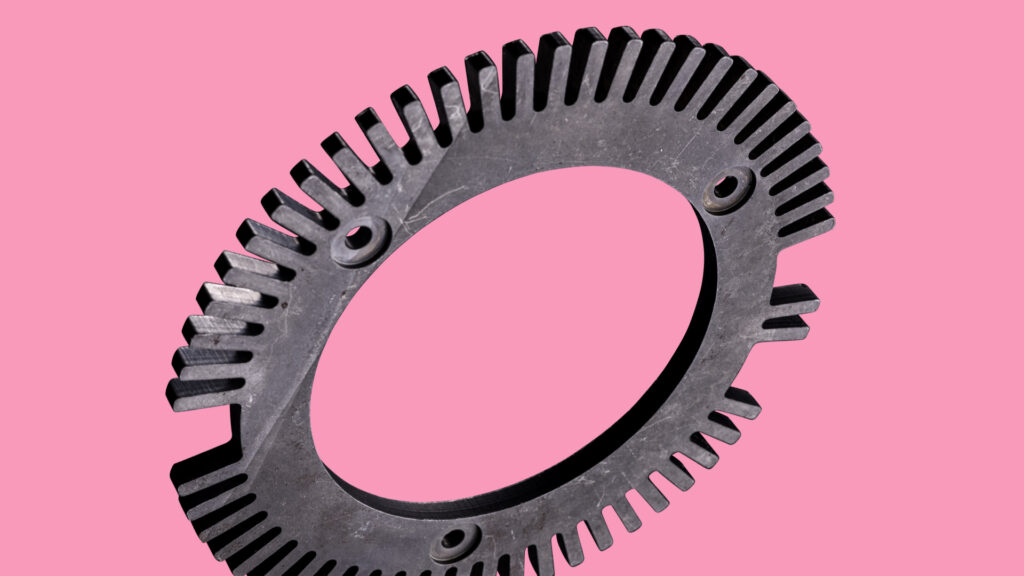
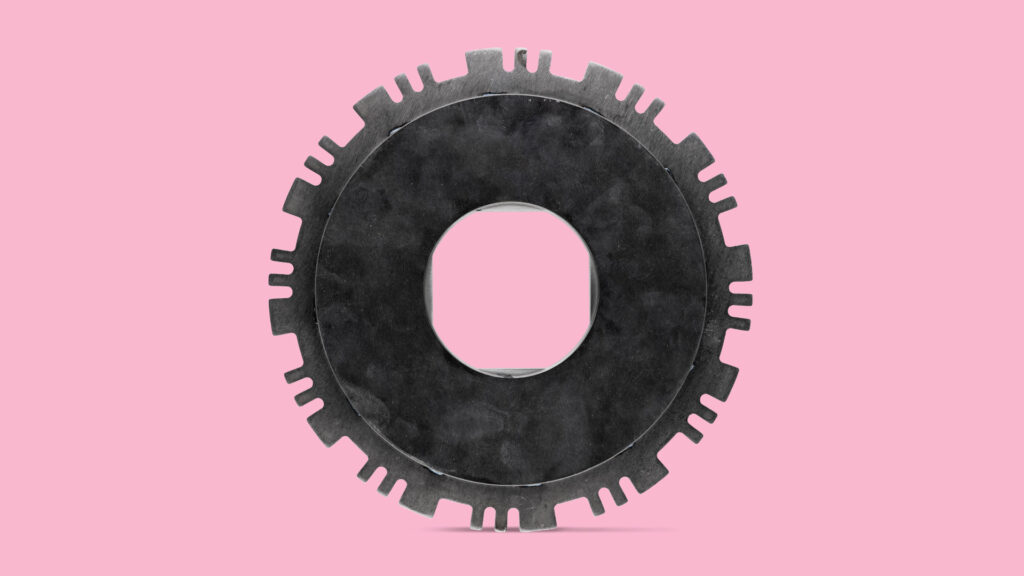
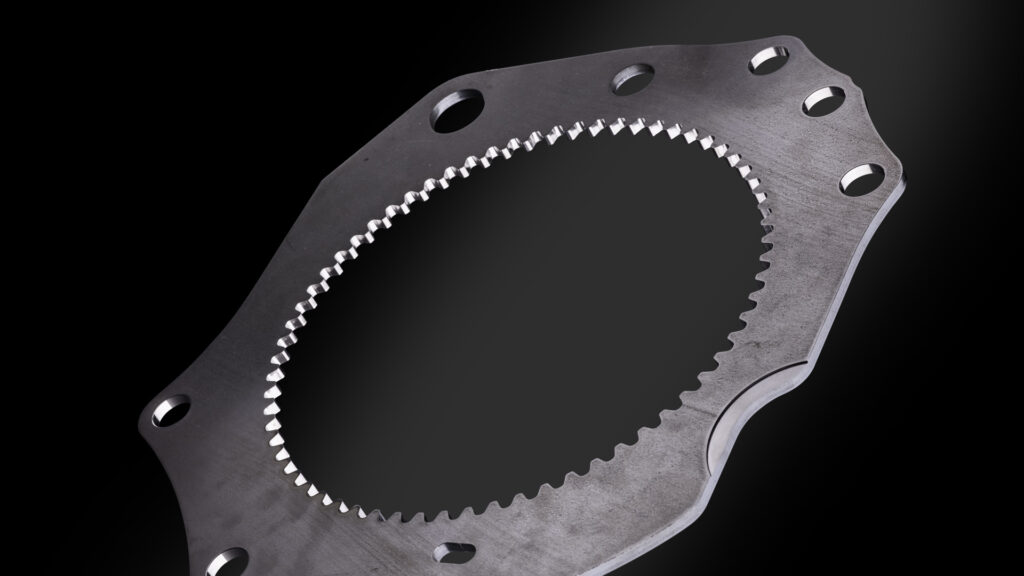
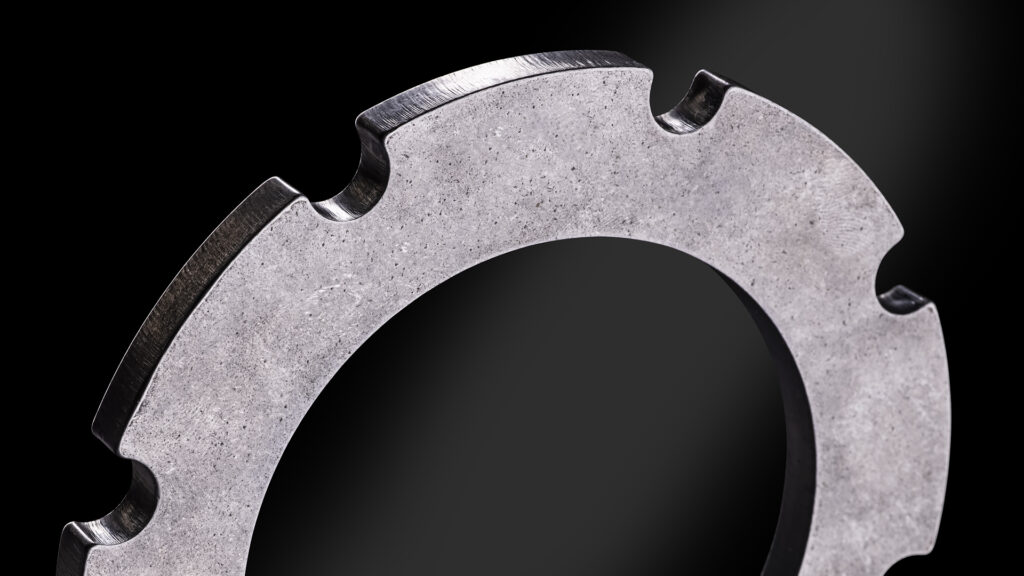
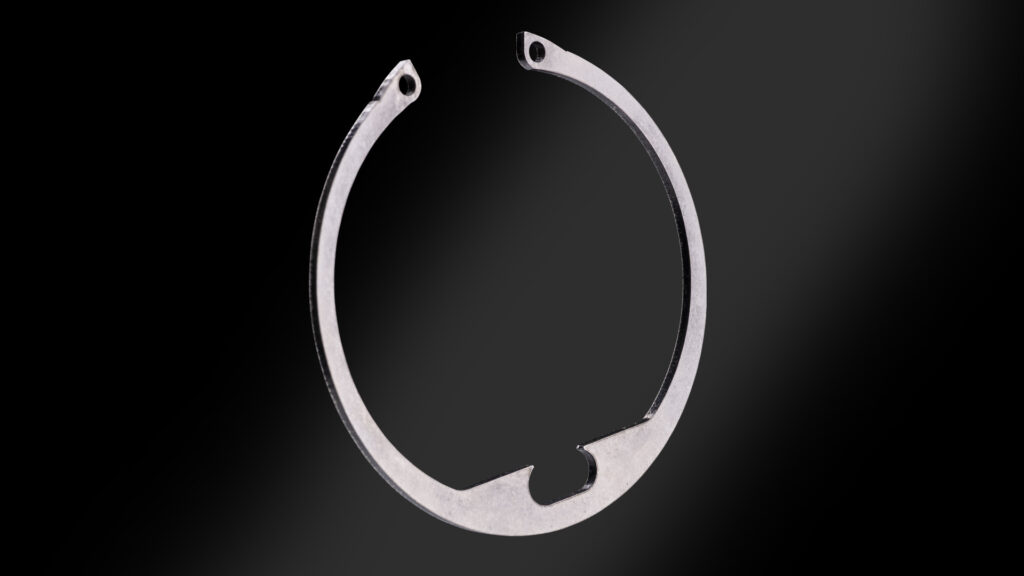
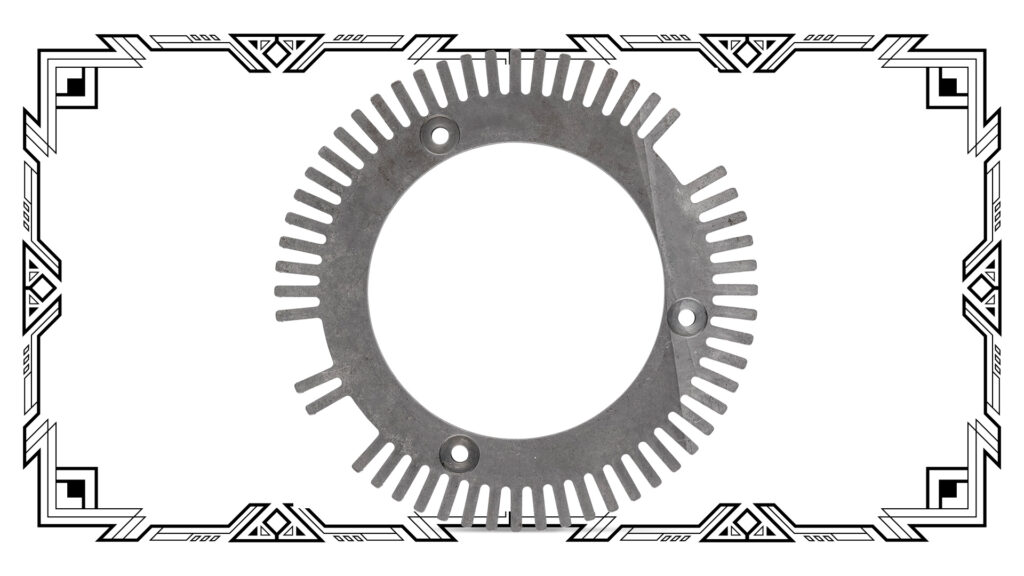
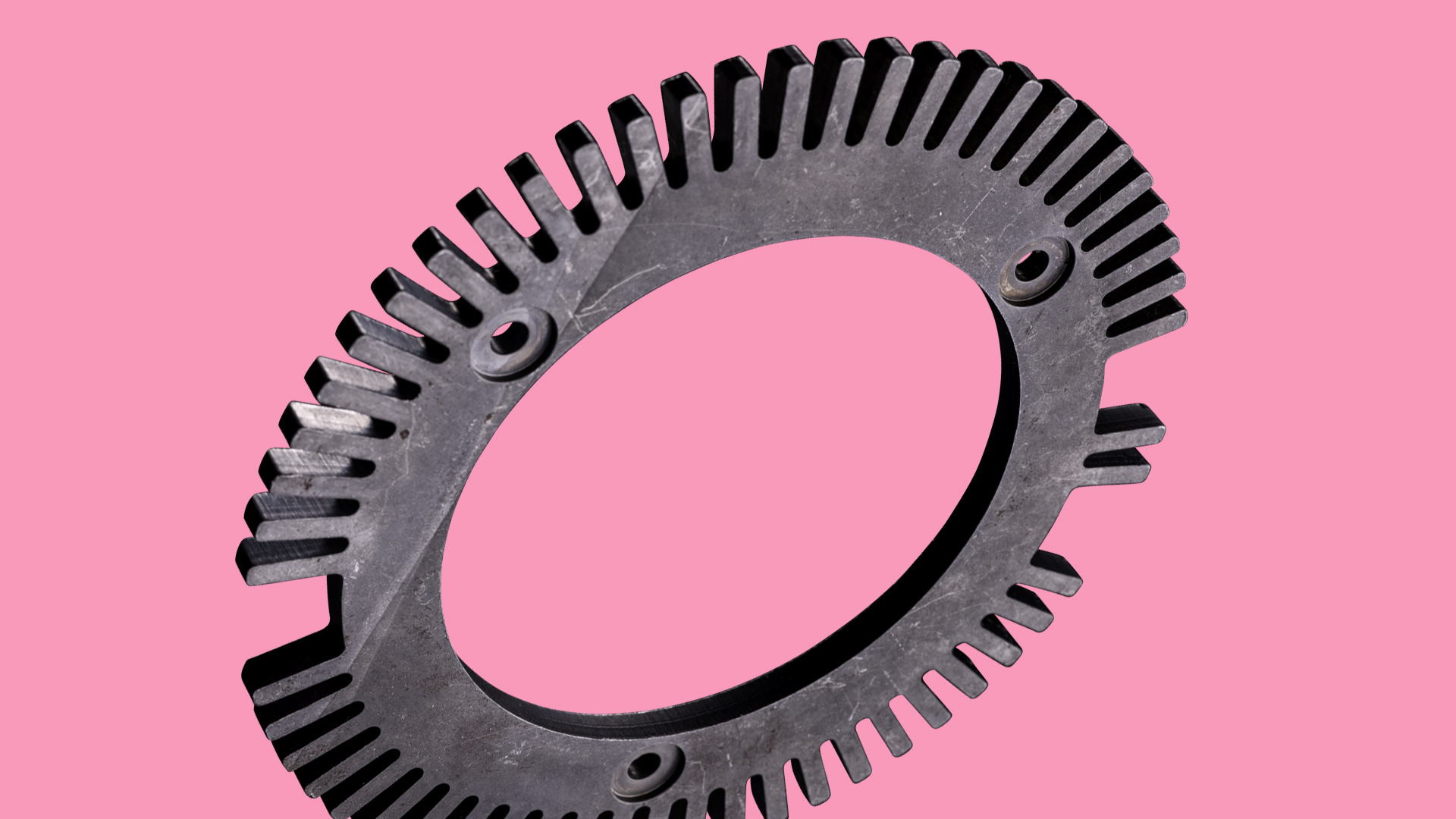
At Thor Ahlgren, we deliver laser cutting in sheet metal - from thin sheet to thick sheet - with high repeatability, tight tolerances and short lead times. We combine modern CO2 lasers with well-proven working methods so that your drawing becomes a finished detail with the right edge quality, the right dimensions and the right documentation.
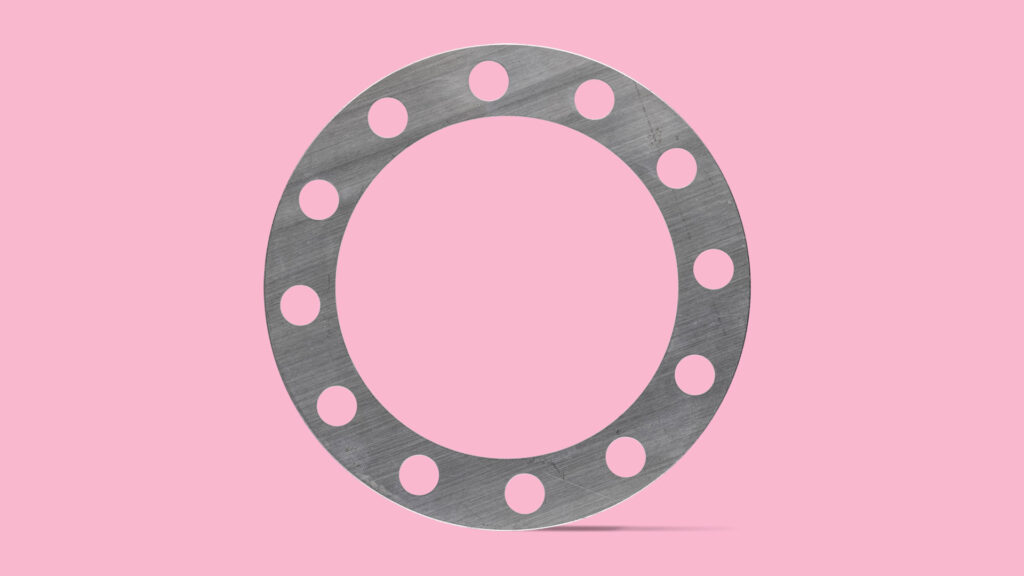
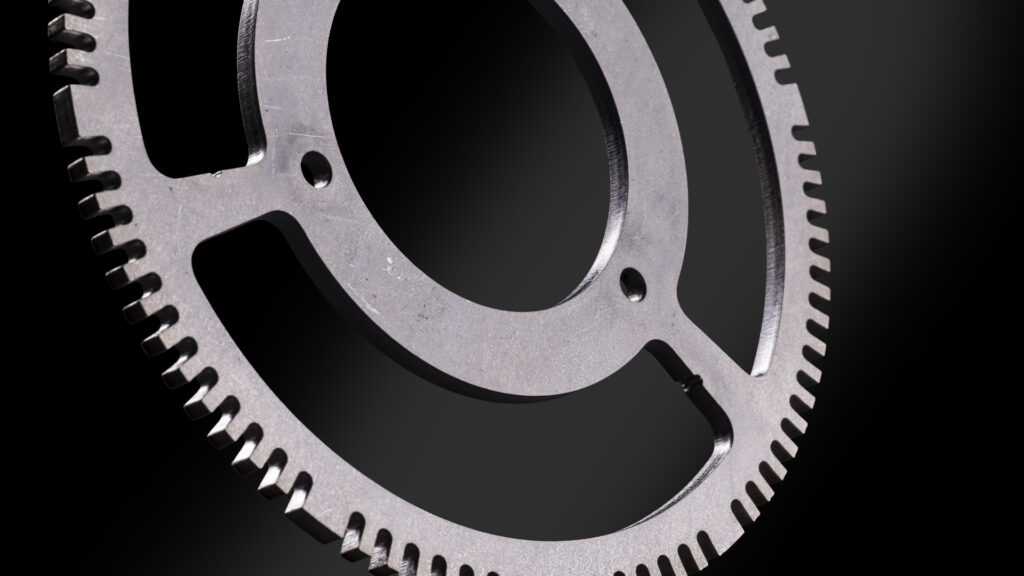
Please send prototype files

Contact us

Contact us and we will help you 

Tel: +46 (0) 370 798 05
Mail: ulf.sundling@thorahlgren.se

Why choose laser cutting with us?

  • Precision & quality: Stable beam, optimized cutting parameters and smart fixturing minimize heat affected zone (HAZ) and burr formation. 
  • Flexibility in series size: Prototypes, pre-series and volume - we scale the process without losing quality. 
  • Holistic thinking: We can help with edge bending, threading, deburring and other post-processing if required. 
  • Advice: We guide you in material selection, gas selection and construction details that affect cutting quality and cost. 

This is what a partnership with us looks like

  1. Submission & quote: You send us a drawing, and we get back to you with a price and any design suggestions for better cutability. 
  2. Sample & verification: If necessary, we run sample parts to ensure edge quality and fit. 
  3. Series & delivery: Planned running order and quality assurance provide predictable delivery time. 
  4. Post-processing: We can include bending, threading, deburring and simple assembly in the same flow. 

Material guide: how we laser cut different types of sheet metal

Sheet metal (cold rolled, galvanized, etc.) 

Target image: fine cut surface, small heat-affected zones and dimensionally stable details. 
How we work: 

  • High pressure nitrogen (N₂) often used for oxide-free edges and neat finish without subsequent sanding. 
  • Microbreweries and well thought-out lead-in/lead-out reduce the risk of small details tipping. 
  • Protective films/foils can be left on certain surfaces during cutting to preserve cosmetics - we adjust the parameters accordingly.
  • Construction advice: Minimum hole diameters and slots should be adapted to the thickness of the goods; very dense perforations are planned with heat management in mind. 

Black plate (mild structural steel) 

Target image: safe cut-through, robust process, good edge geometry. 
How we work: 

  • Oxygen (O₂) provides efficient cutting and is often the first choice in black plate for productivity and stable cut. 
  • Edge quality trimmed with focus mode and feed rate to minimize burrs. 
  • Surface status (mill scale, oxidation) are taken into account - we adjust the piercing scheme and parameters to avoid splashes and microbrews.
  • Construction advice: Avoid very small radii in thicker blacktop; improve flow with generous corner radii. 

Heavy plate (thicker carbon steel) 

Target image: Controlled heat input and predictable cut quality even with large material thicknesses. 
How we work: 

  • Multi-stage piercing and optimized gas pressures provide stable penetrations and clean cuts. 
  • Heat balance planned in the running order to reduce skew; larger details are cut sectionally. 
  • Post-processing if needed (e.g. light deburring) is built into the flow for weldable edges.
  • Construction advice: Increase minimum web thickness and hole diameter with increasing material thickness; place critical holes away from heavy cuts to limit HAZ impact. 

Wear plate (e.g. high hardness plate) 

Target image: maintaining hardness in the cut zone and high edge integrity. 
How we work: 

  • Low heat impact parameters: careful focus, feed rate and gas selection to minimize microstructural changes. 
  • Clean cut edges is prioritized to simplify subsequent welding or bolting in wear-prone applications.
  • Construction advice: Avoid unnecessarily small details in very hard grades; plan for soft transitions (radii) in loaded zones. 

Stainless steel 

Target image: cosmetically attractive, oxide-free cuts ready for further processing or visible surfaces. 
How we work: 

  • High pressure nitrogen (N₂) is used to avoid oxide film and discoloration. 
  • Heat control and the right focus position minimizes heatstroke and edge oxidation even with thin-walled goods.
  • Construction advice: For visible components - tell us which side should be the "front" and we will plan the cutting strategy for the best finish. 

Aluminum 

Target image: smooth cut surface and controlled burr in a material with high thermal conductivity. 
How we work: 

  • Nitrogen as assist gas is common to give clean, bright cuts. 
  • Piercing strategy and the right take-off speeds are crucial to avoid splashes and spikes.
  • Construction advice: Keep the minimum gap/hole slightly larger than the material thickness; avoid very tight corners in thicker alloys. 

Contact us for more information

We help you get your projects to the finish line with the highest precision and reliability. Let us be your partner for laser cutting - contact us today for a free consultation! 

Tel: +46 (0) 370 798 05
Mail: ulf.sundling@thorahlgren.se